Core tools work offline.
No account required.
Records on your device.
The number.
The place.
The next visit.
For CP technicians and field engineers who need a calculation and a usable record at a test point, rectifier, or anode location.
Example: 12.5 mV across a 0.005 Ω shunt gives 2.5 A. Save the result with its test-point location.
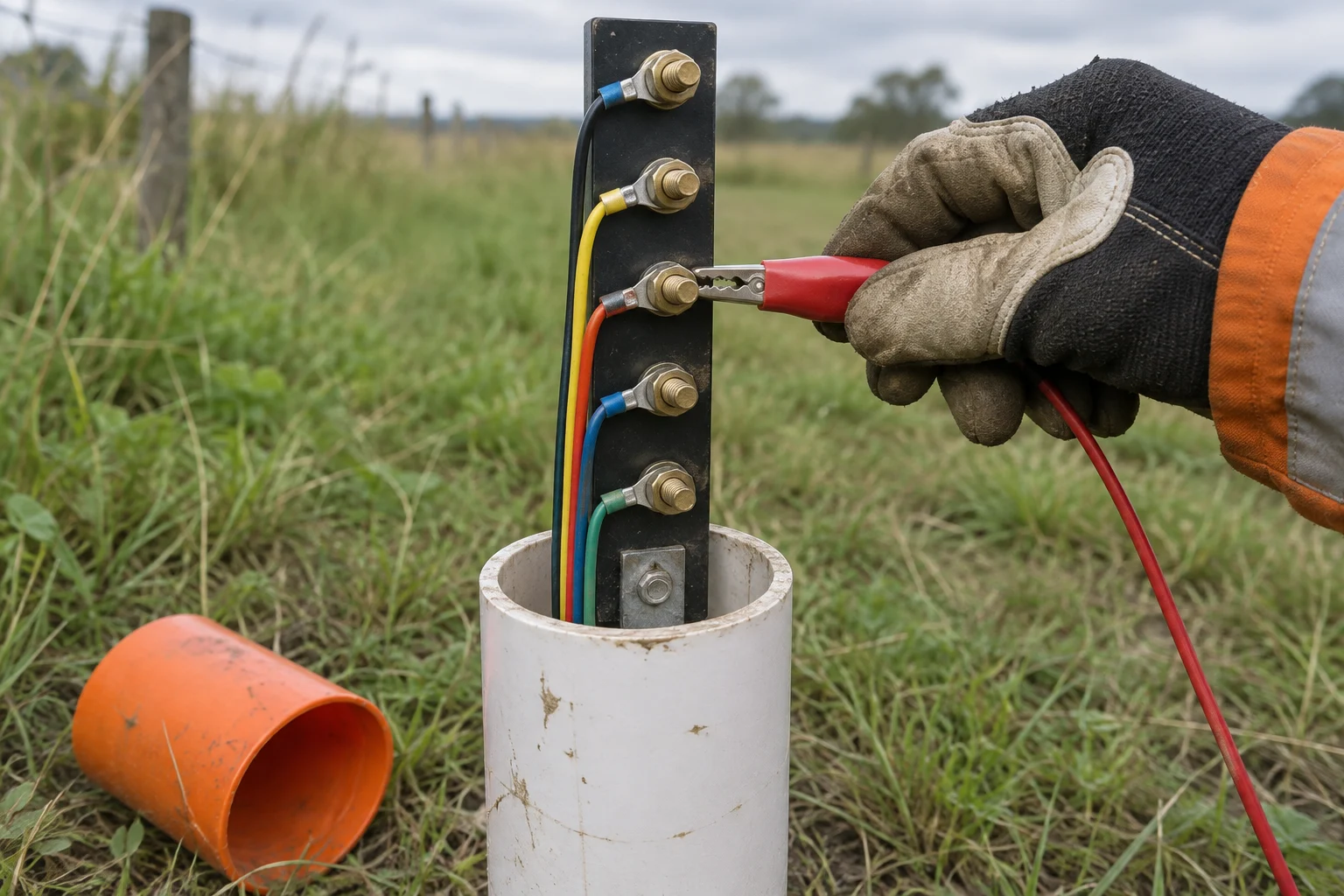
Capture the reading at the test point
Type a meter reading or use camera capture from a digital display. Check the sign, decimal point, and units, then confirm every camera estimate. Save with a location, an asset, both, or neither. Add a note for the context the number alone cannot carry.
Read the capture guide
Calculate with the inputs in view
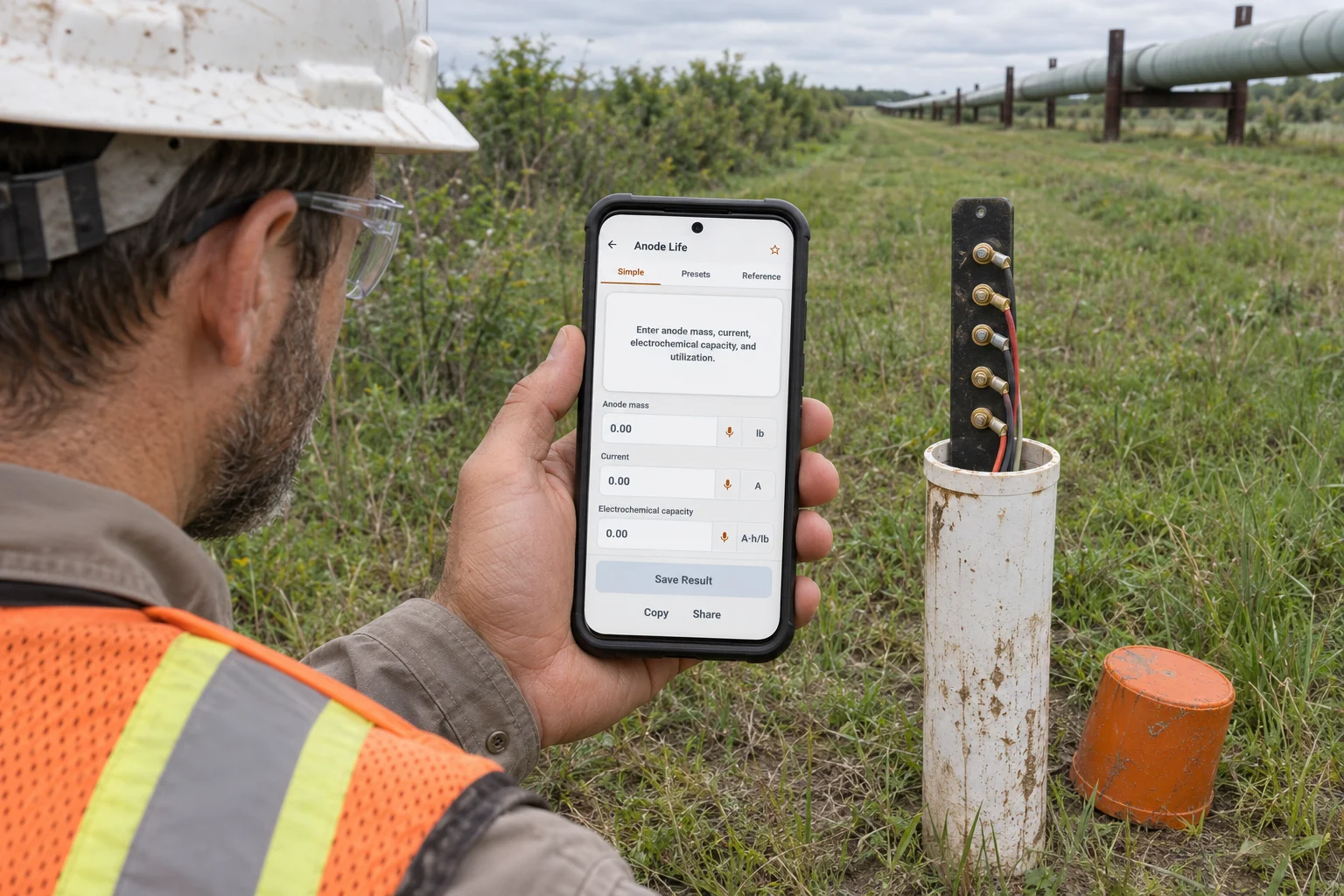
Convert shunt voltage to current. Compare ON and instant-off potentials. Estimate anode life from mass, capacity, utilization, and current. Open Reference for each tool’s formula and assumptions.
Work through a shunt-current example
Keep the result for later
Save the calculation result, reopen the record, and compare readings over time. Export when you choose. Core capture, calculations, and saved records work without an account or signal; online maps and address search need internet.
See how saved records work
Before you take it into the field.
Does Fieldeng measure pipe-to-soil potential itself?
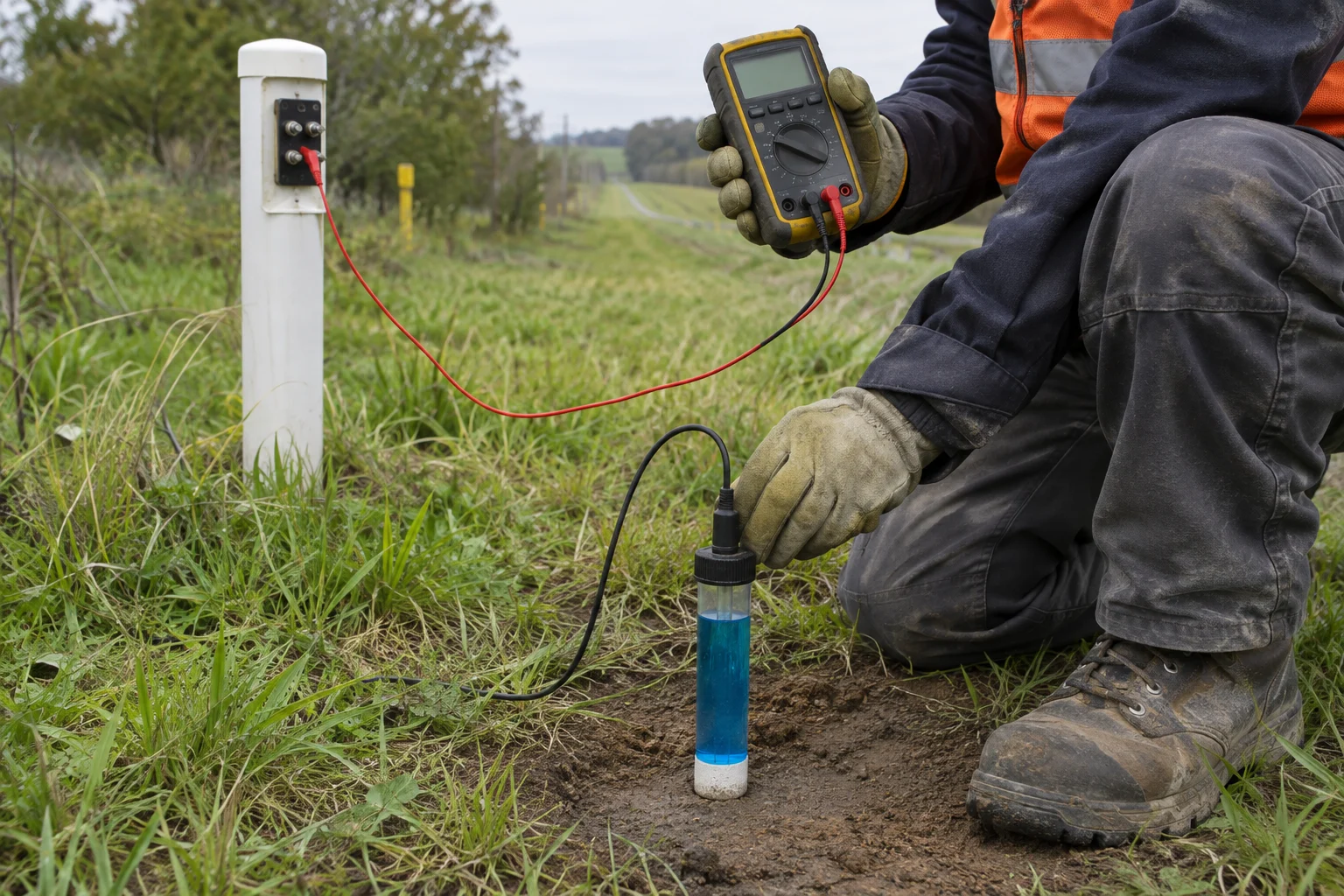
No. Use suitable measurement equipment to obtain the potential. Fieldeng helps capture the reading, perform calculations, and keep its context. Your phone’s sensors do not replace a CP voltmeter or reference electrode.
Does it decide whether a structure is protected?
No. Fieldeng does not issue pass/fail or compliance determinations. Electrode type, IR drop, polarization, measurement procedure, and the applicable criteria still require qualified judgment.
Can I work without cell service?
Yes. Core capture, calculations, and saved records work offline. Online maps, address search, and app updates need internet. Voice entry requires a supported on-device recognizer and language model.
Is this a survey-management system?
Fieldeng is a personal field toolbox with locations, assets, and saved records. It does not replace an enterprise survey-management system or your organization’s required reporting process.
Bring a CP job.
Try the field loop.
 Fieldeng